
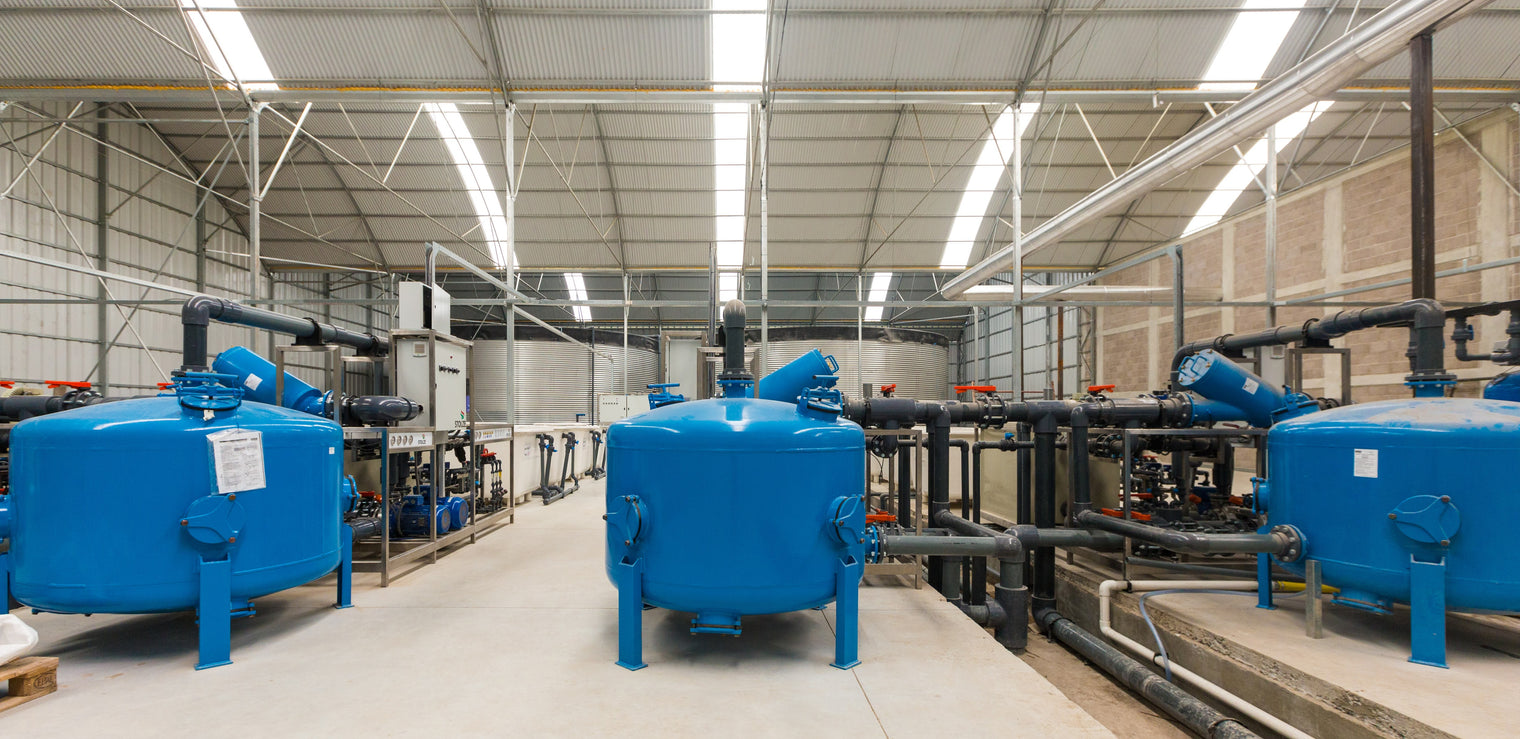
Equipment for disinfecting irrigation drainage water


Water treatment equipment by origin
Water from wells, canals, reservoirs.


Fertigation equipment

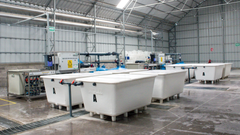

Pumping equipment

UV disinfection
UV-C light disinfection destroys all existing pathogens, such as fungi, bacteria, and viruses. The system can be applied for (pre-)treatment of water, discharge water, and drainage water for recycling.
It enables continuous recirculation of irrigation water in a safe manner.
Advantages:
- Eliminates pathogens without chemicals.
- Maintains the chemical composition of the water.
- Effective in closed or recirculating systems.
- Leaves no residue.
- Immediate and continuous action.


ultrafiltration disinfection
We use ultrafiltration to remove pathogens such as viruses, bacteria, and fungi from drainage water or other sources, while retaining the nutrients contained within it.
Advantages:
- Removes pathogens and organic matter.
- Improves the physical quality of water.
- Compatible with fertigation.
- Protects irrigation systems and downstream equipment.
- Continuous operation and low chemical usage.


UF+UV disinfection
To ensure water sterility, we add a second disinfection step using Ultraviolet light, which works effectively in ultrafiltered water with low turbidity levels.
Advantages:
- Elimination of solids and pathogens.
- Complete protection of the irrigation system.
- Does not alter the chemical composition of the water.
- Reduction of chemicals and by-products.
- Stable quality for fertigation and hydroponic systems.


ozone therapy
An ozone disinfection system in hydroponic irrigation works by introducing ozone (O₃) into the irrigation water to eliminate pathogens (fungi, bacteria, viruses, and algae), break down organic matter, and keep lines and emitters clean, without leaving hazardous chemical residues.
Advantages:
- Eliminates Pythium, Fusarium, Phytophthora, algae, and harmful bacteria.
- Reduces the use of chemicals like chlorine or peroxide.
- Cleans biofilm in pipes and drippers.
- Improves water oxygenation (residual ozone converts to O₂).
- Compatible with recirculating systems, preventing pathogen accumulation.
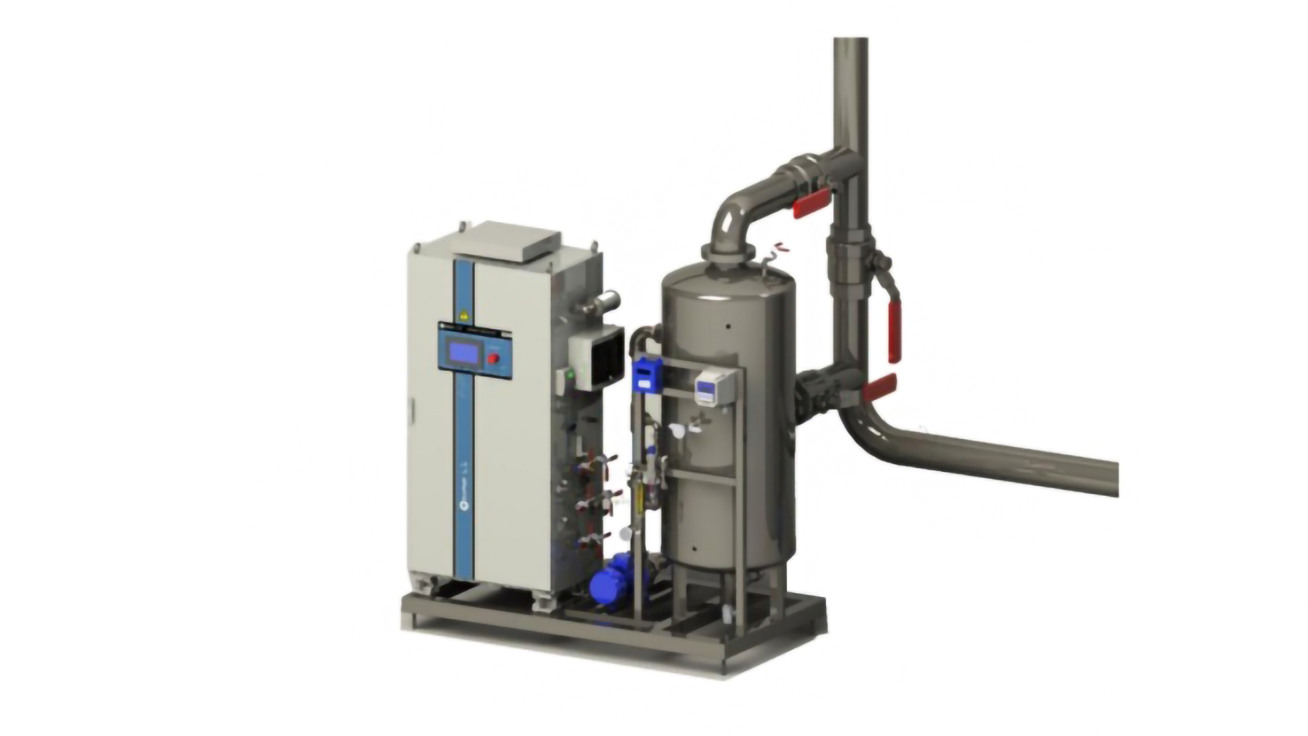

pasteurization treatment
Pasteurization disinfection of irrigation water works by applying controlled heat to the water to destroy pathogens without the need for chemicals. It is widely used in recirculating hydroponics and greenhouse production.
Advantages:
- Eliminates pathogens very effectively without chemicals.
- Allows water reuse in closed systems, reducing consumption.
- Leaves no chemical residues and does not significantly alter pH or EC.
- Total control over the process (temperature and time).
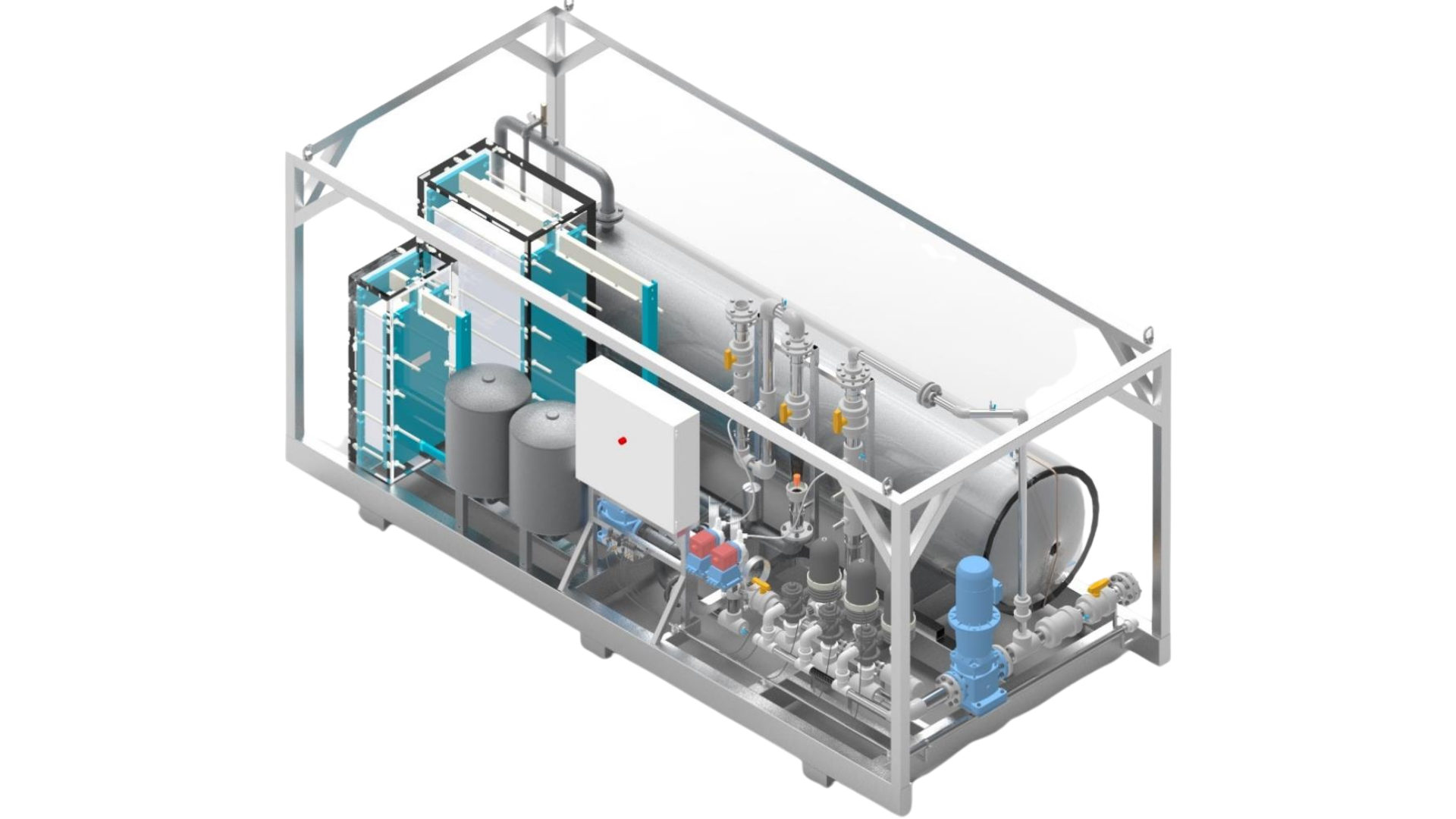

REVERSE OSMOSIS
Desalination plant that uses reverse osmosis technology, thus transforming brackish water or seawater into water suitable for irrigation.
Advantages:
- Elimination of salts and reduction of electrical conductivity (EC).
- Prevention of sodium and chloride accumulation.
- Improved nutrient absorption.
- Protection against chemical contaminants and heavy metals.
- Compatibility with high-precision fertigation.


filtration system
Ring filters (also known as disc filters) are filtration devices widely used in agricultural and industrial irrigation systems and water treatment due to their high efficiency in retaining solid particles.
Advantages:
- Effective removal of fine particles.
- Protection of emitters and pipes.
- Easy maintenance.
- Adaptability to different flows and pressures.
- Durability and resistance.


nanobubble technology
A nanobubble injection system works by incorporating extremely small gas bubbles into the irrigation water before it reaches the plants. These bubbles can be of oxygen (O₂), ozone (O₃), carbon dioxide (CO₂), or other gases depending on the application.
Advantages:
- Increased root oxygenation: improves nutrient absorption and root health.
- Microbiological improvement: promotes beneficial microorganisms and reduces anaerobic pathogens.
- Greater gas solubility: nanobubbles do not rise to the surface quickly like large bubbles.
-
Physicochemical effects: nanobubbles generate a negative surface charge, helping to detach biofilm in pipes.


bypass irrigation head
A fertigation head with by-pass works by having only a portion of the irrigation water flow pass through the injection section (where the fertigation equipment is located) and then rejoin the main pipeline, instead of injecting directly in-line.


In-Line Irrigation Head Unit
An irrigation head with in-line fertigation works differently from a bypass system because the injection equipment is placed directly on the main pipeline, meaning that all the irrigation flow passes through the injection and mixing zone.
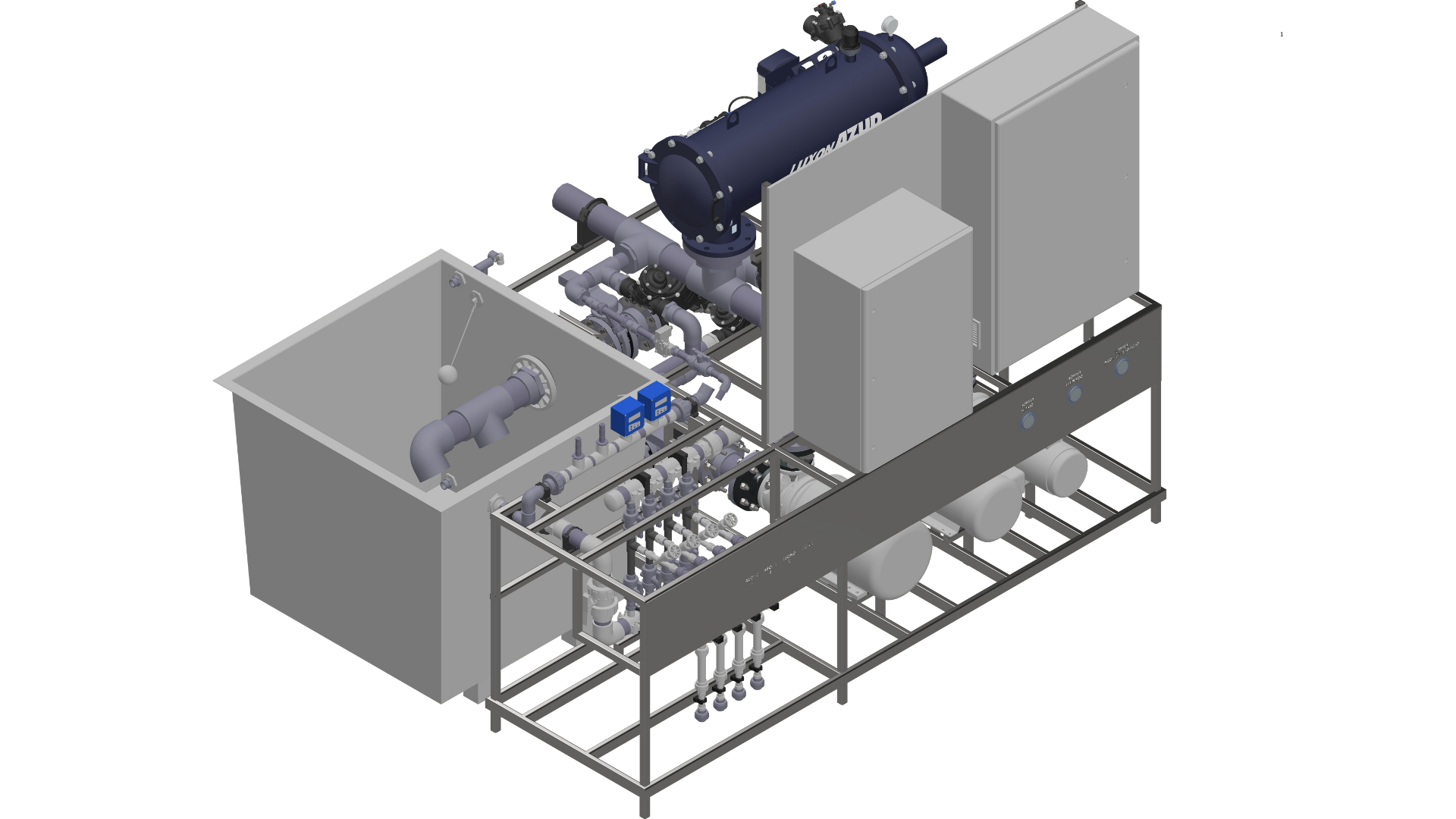

pre-acidification system
Pre-acidification is a preliminary stage in which the pH of the water is adjusted before it enters the main fertilizer injection system or irrigation.
Advantages:
- Lowering the pH of the water to:
- Prevent the precipitation of carbonates and other minerals (which can clog emitters and pipes).
- Improve nutrient solubility (e.g., keep phosphorus available).
- Dissolve internal deposits or films in pipes (preventive maintenance).
- Neutralize bicarbonates present in hard water.

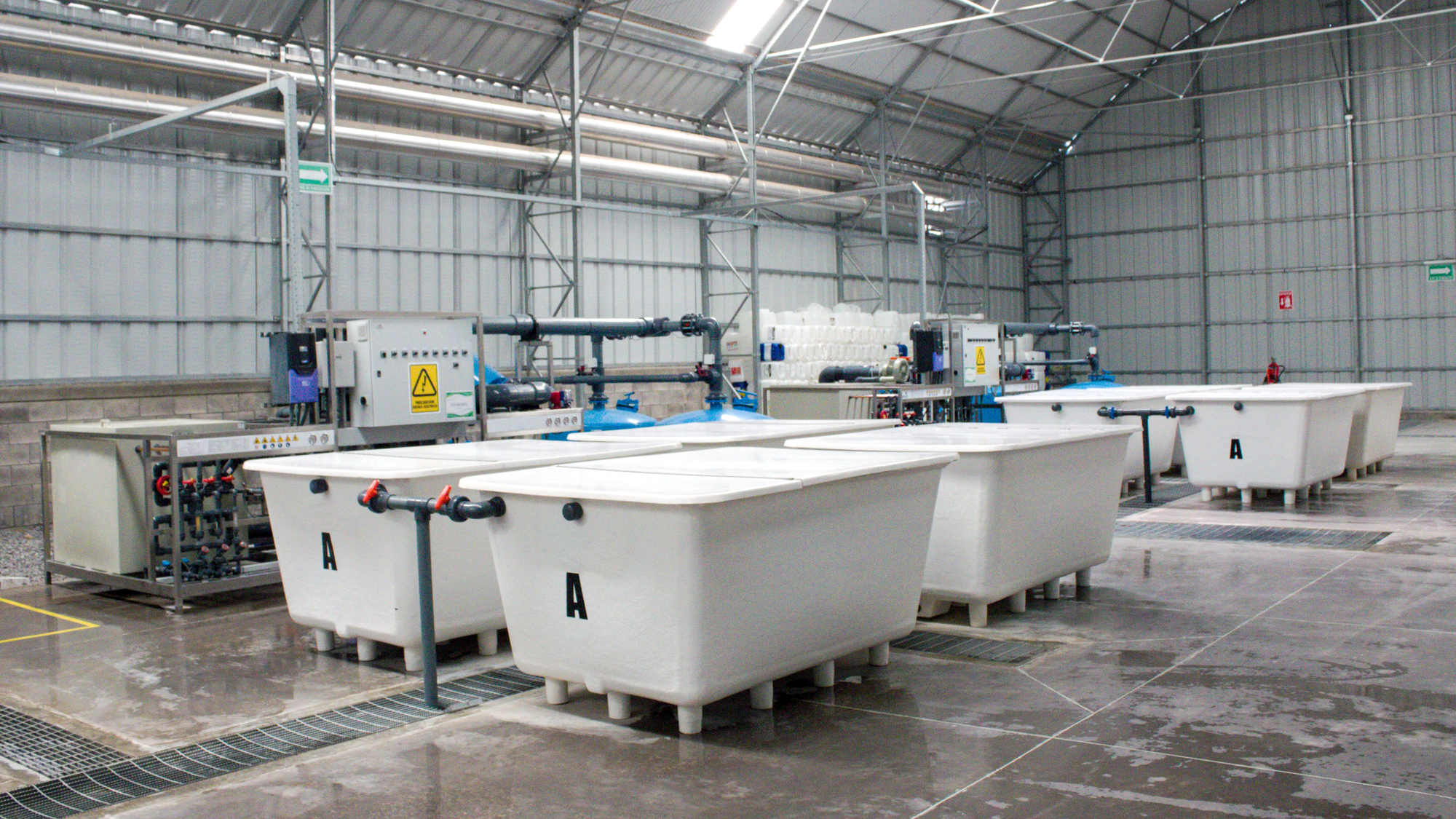
pre-blending system
The Premix system works as a sort of "kitchen" to prepare a concentrated stock solution, which is then dosed into the irrigation water in a controlled manner.
- Preparation tanks: Generally made of plastic or fiberglass, where solid fertilizers are dissolved in water or concentrated liquid fertilizers are mixed.
- Objective: To have a homogeneous, lump-free solution, so that the suction equipment (fertigator) does not clog.
- pH and EC control: At this point, the pH is often adjusted and electrical conductivity is measured to ensure the desired concentration.

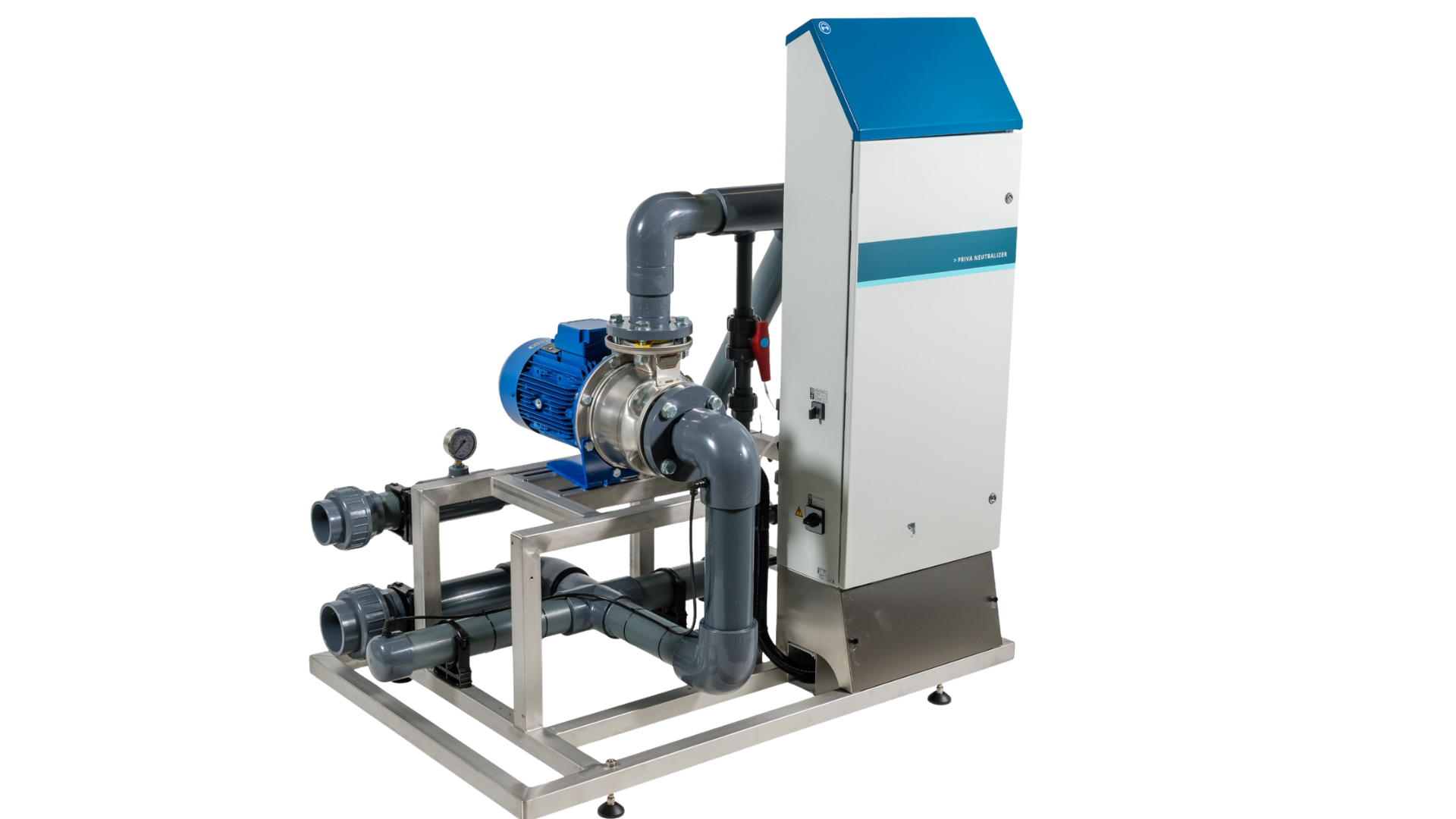
Pumping system
To meet various water management needs, we offer a wide range of pump models/series/configurations and capacities.
Advantages:
- Generates cost savings due to minimal maintenance.
- Avoids excessive energy consumption.
- Ensures water quality, preventing potential illnesses.


stay in touch with us
- ecommerce@invermex.com
-
6675 42 30 04
-
Alejandro Camacho, No. 4010-A Sur, Ejido de las Flores, Campo el Diez, Culiacán, Sinaloa, Mexico
-
Monday — Saturday - 8 am — 6 pm